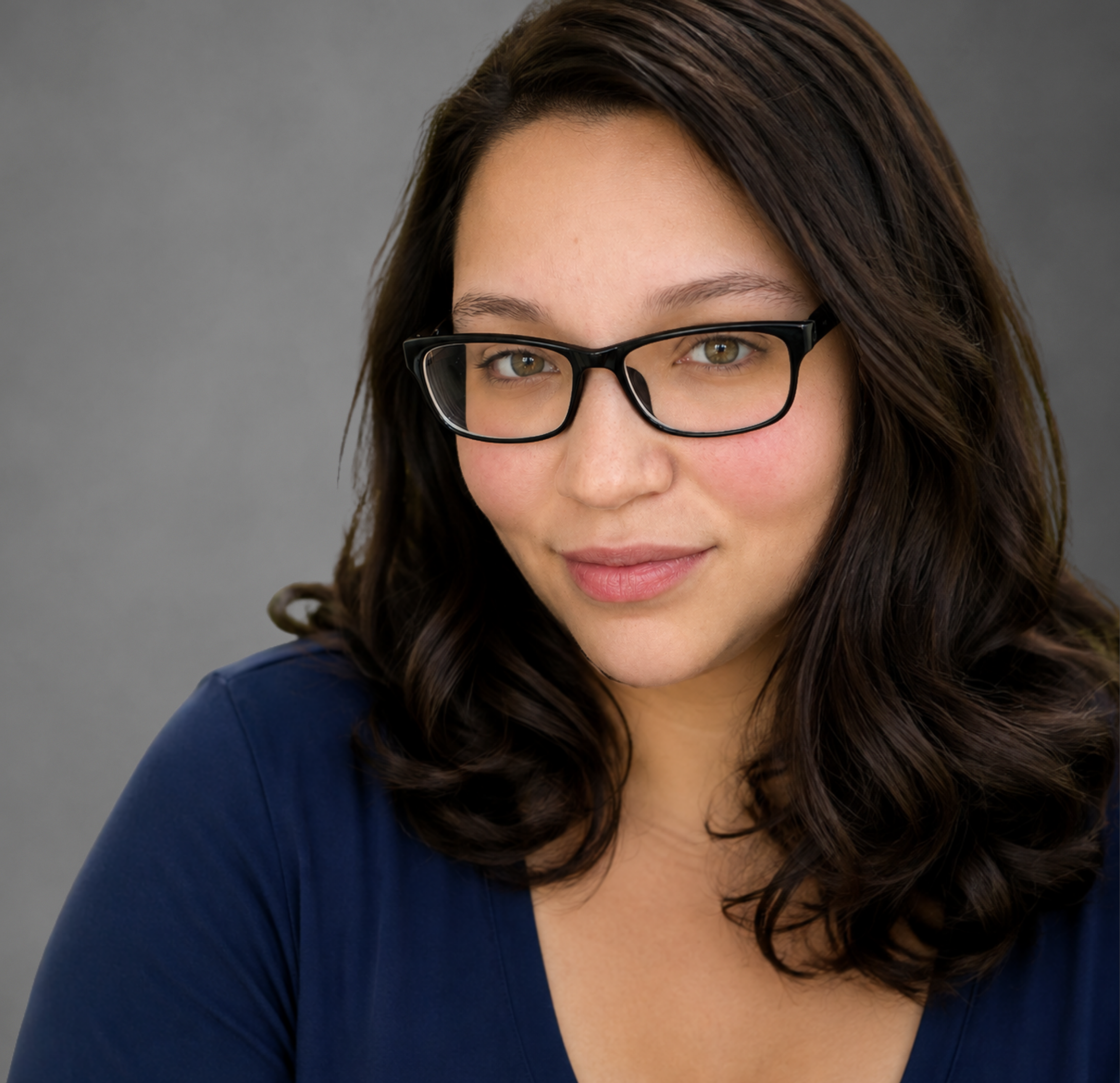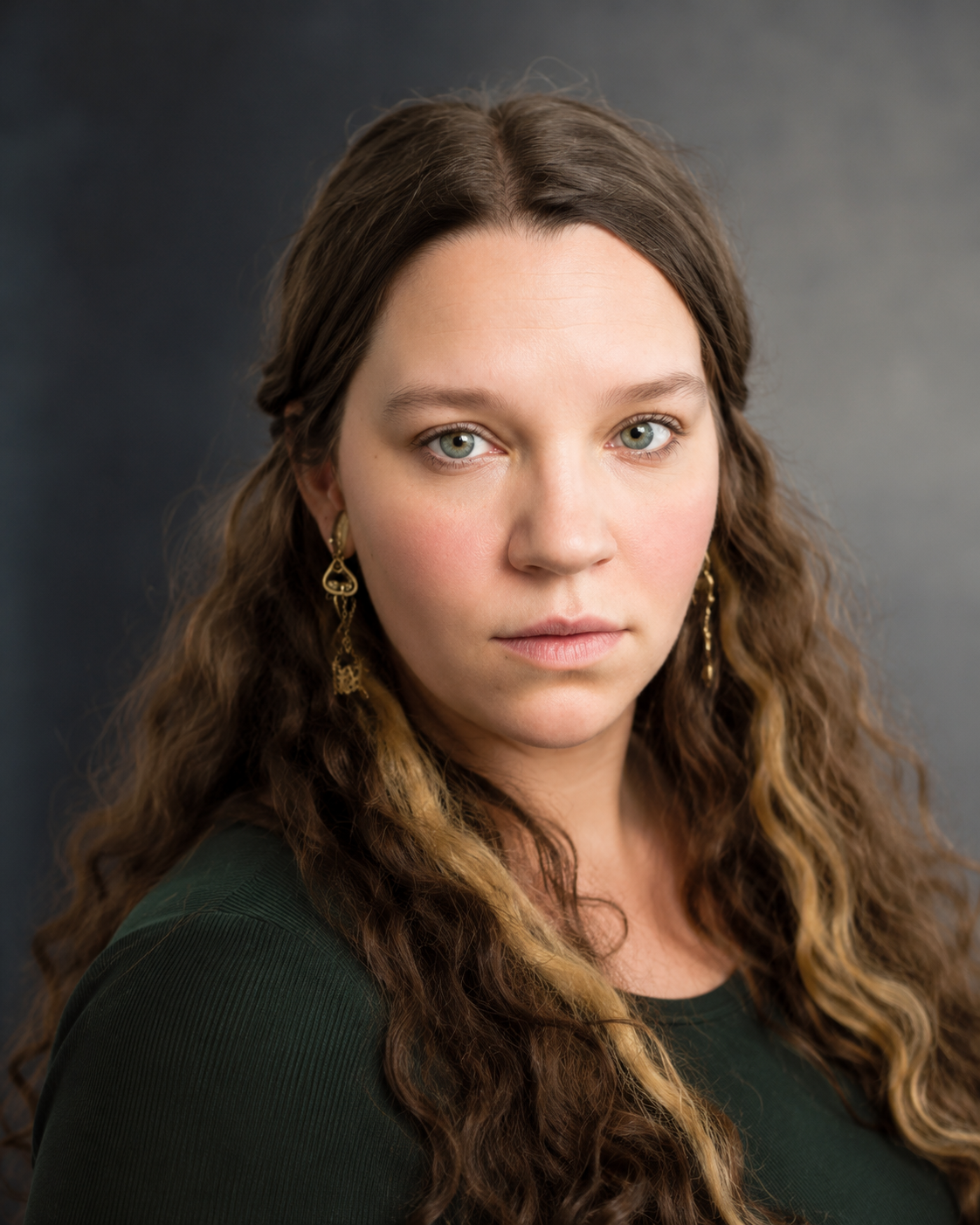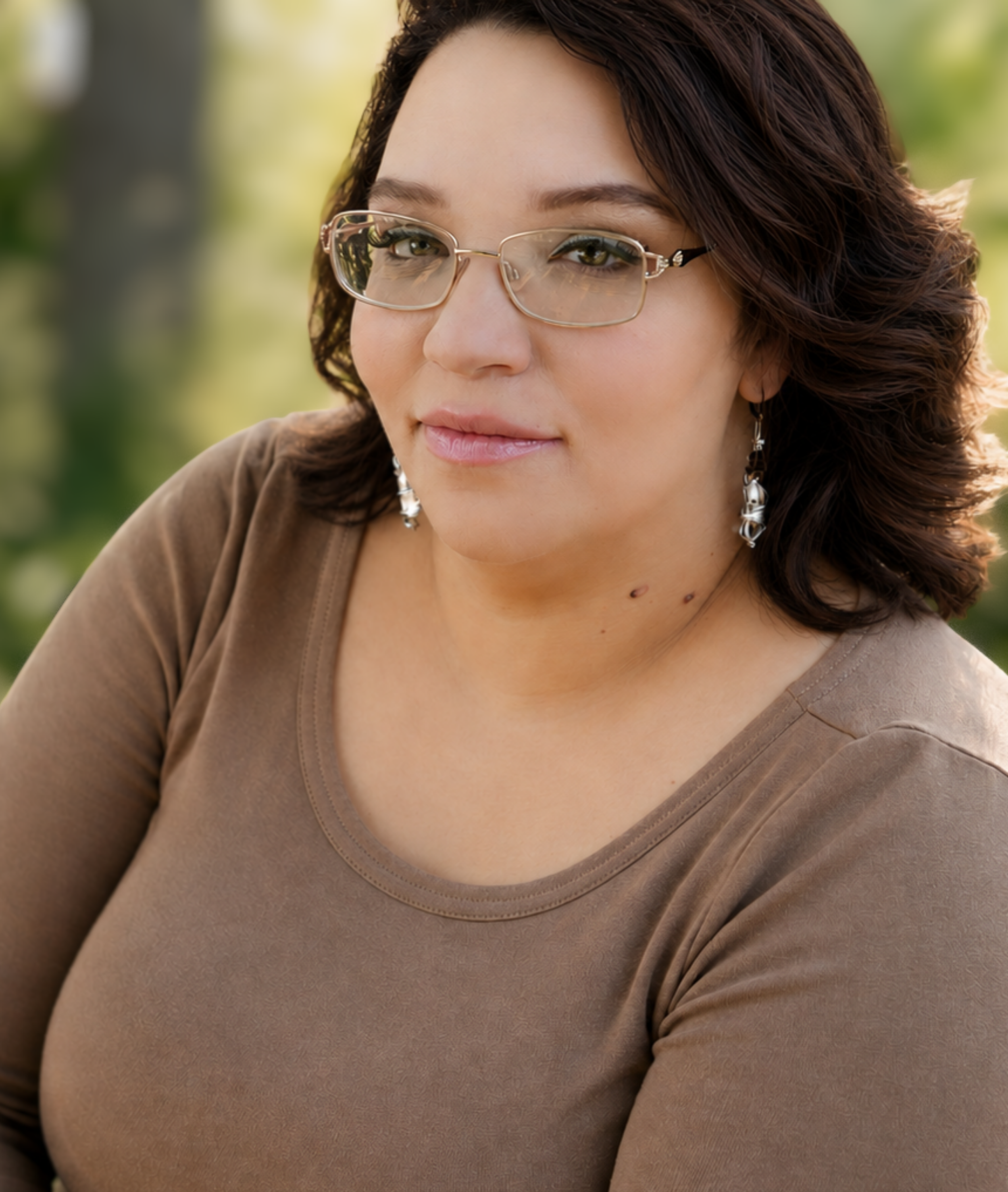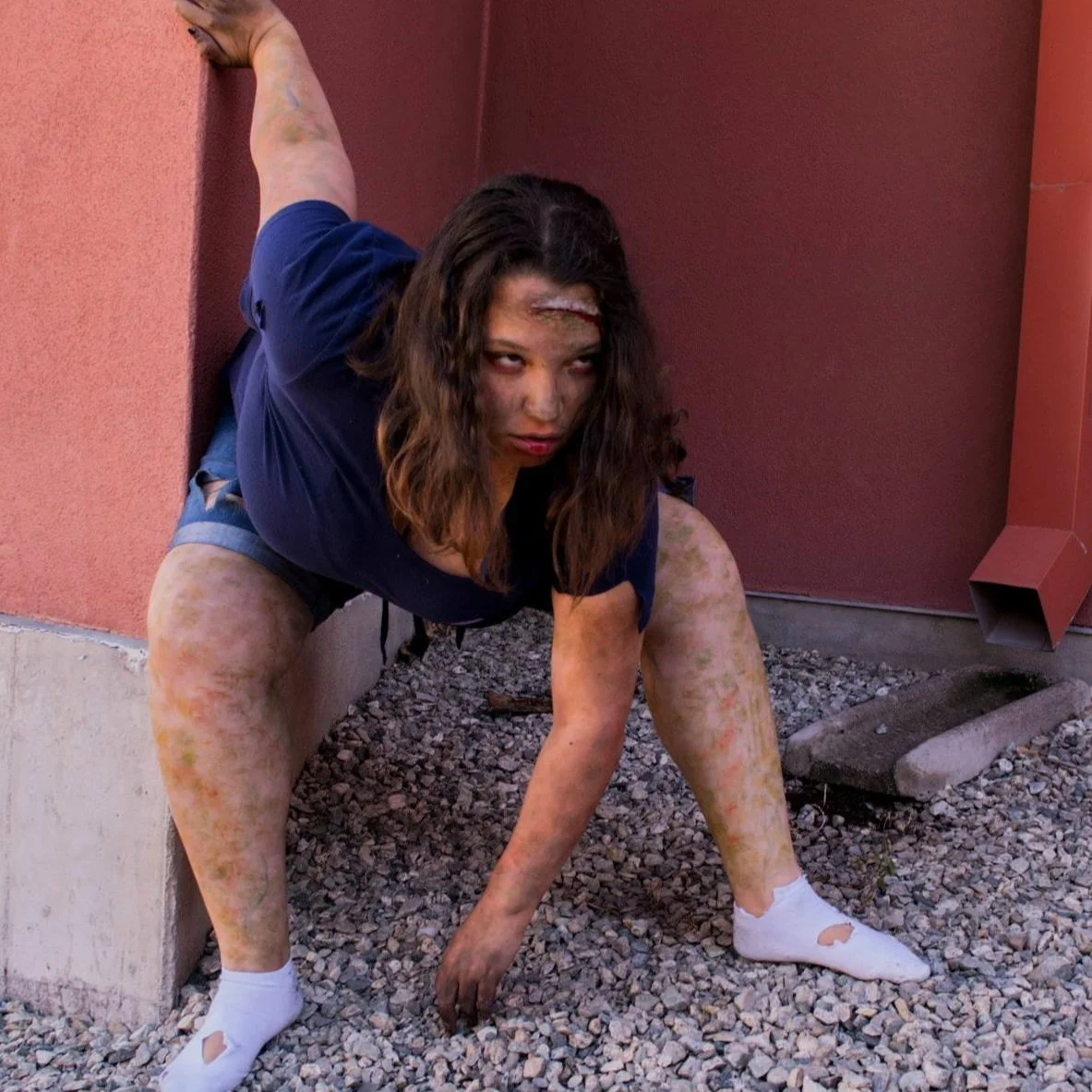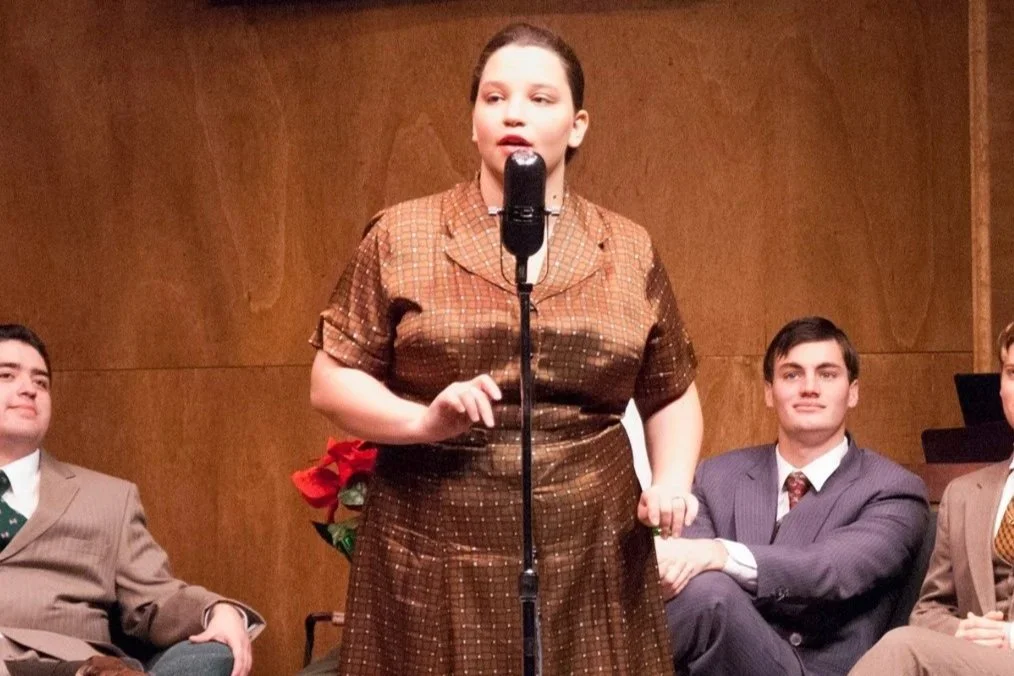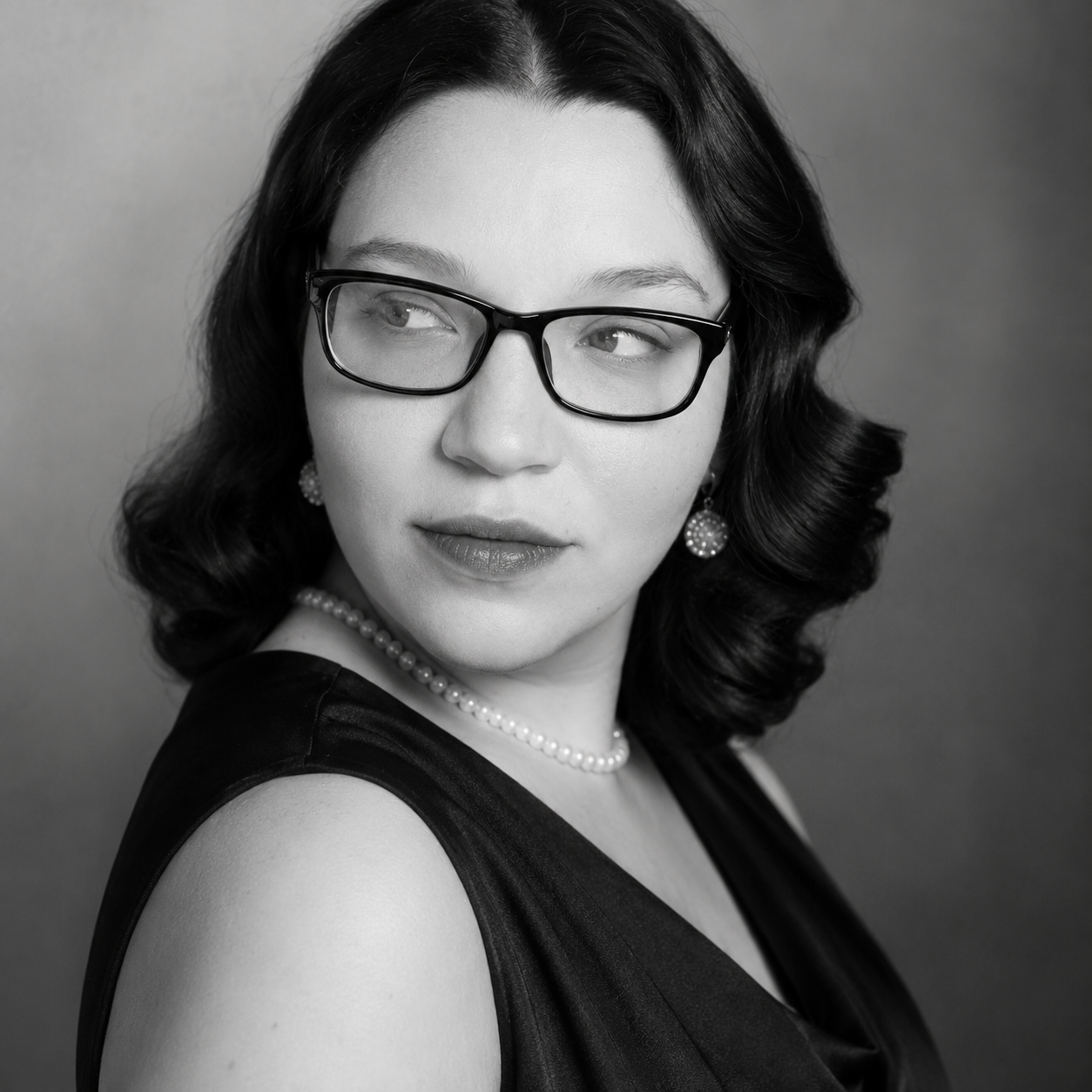
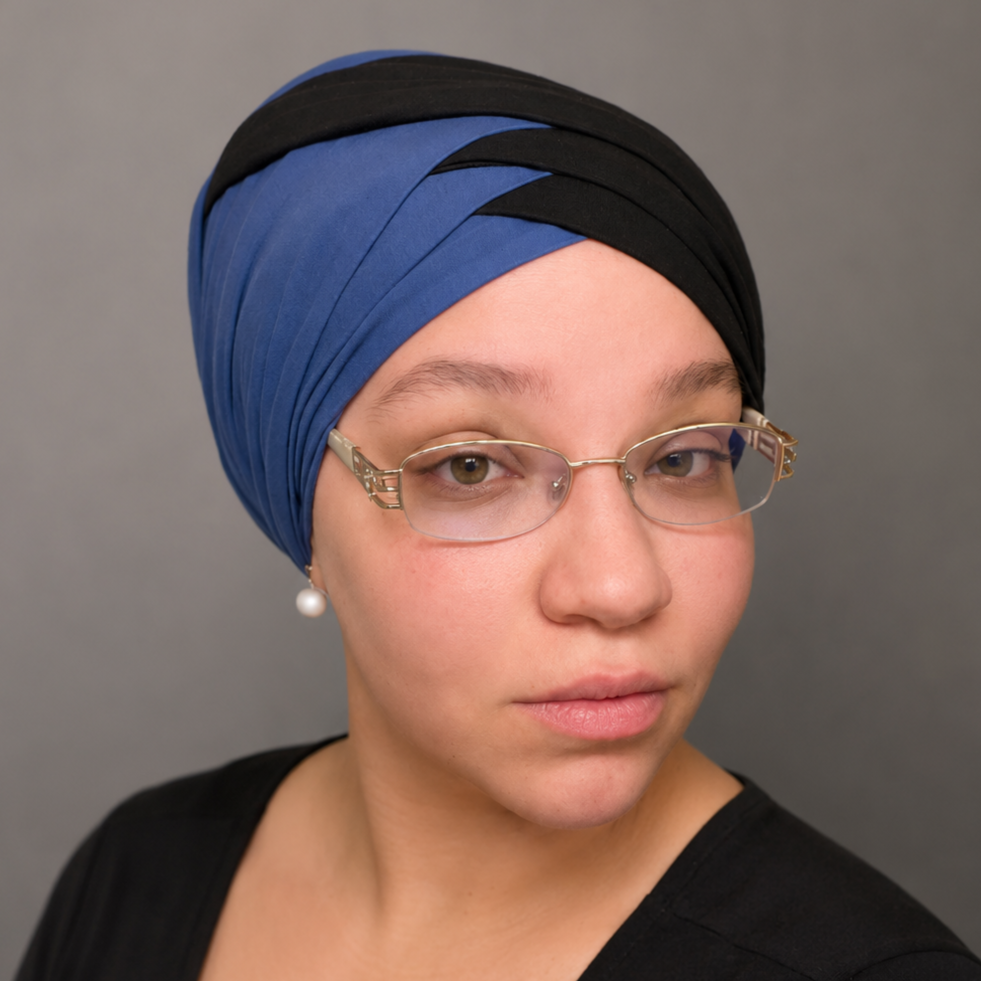
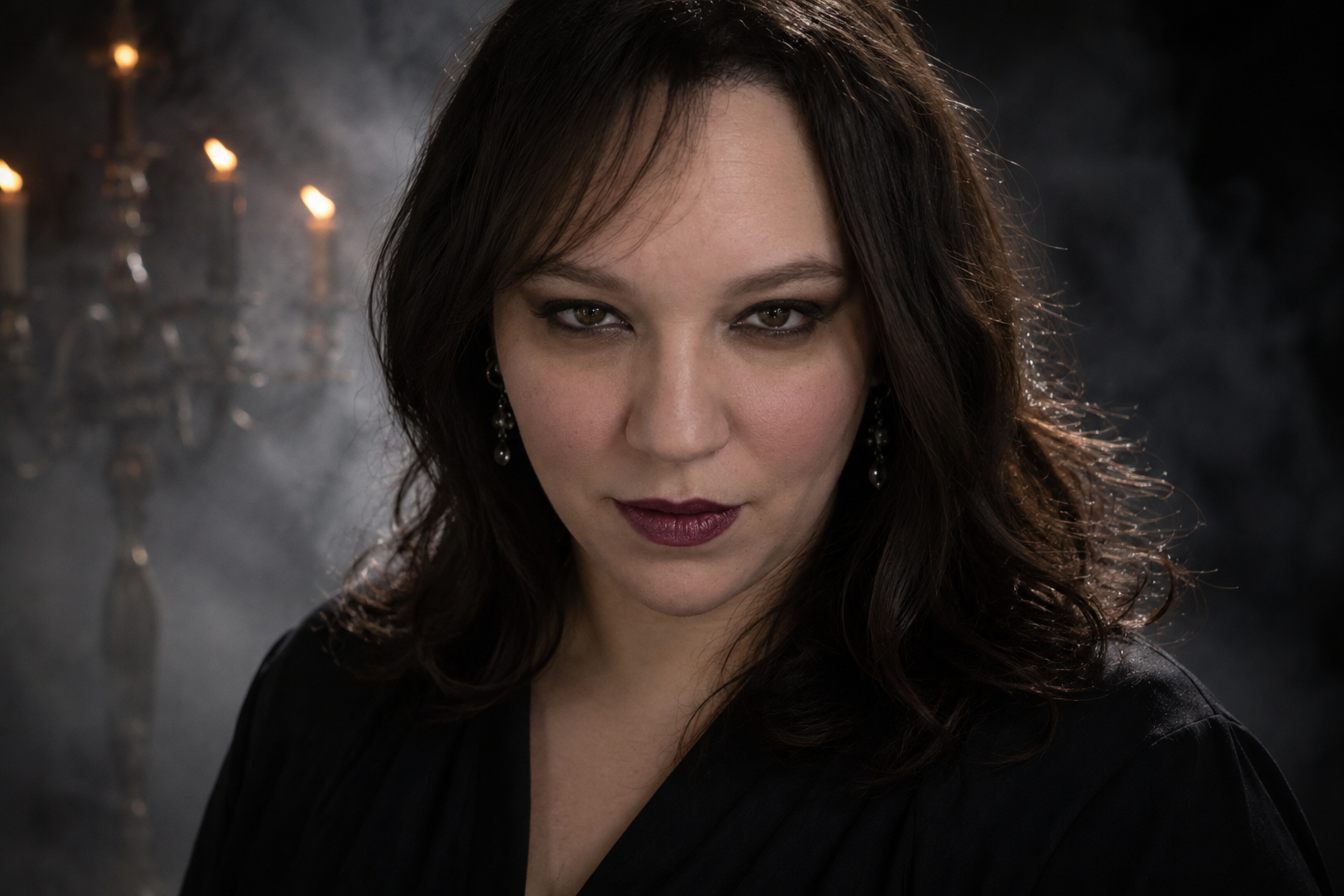
Rachel “Ray” Erazo

Actress and Vocalist of 26 Years | Jill-of-All-Trades

Performing Arts Educator | Experienced Arts Administrator

Stage Director and Designer | Intimacy Professional

Creative Web Designer | Marketing Funnel Specialist

Mission Statement:

I build inclusive, transformative, and equity-focused creative spaces—onstage and in the classroom.

Explore My Research
Explore My K-12 Work
Check Out My Acting Credits
Download My Resume
Download My CV

EDUCATION


  • University of Idaho, Moscow, ID

    Emphasis in Directing & Pedagogy

    • Selected Coursework: Pedagogy: Purpose & Practice; Intimacy Coordination & Directing; American Women in Theatre

  • National University, San Diego, CA

    Honors:

    Selected Coursework: School Finance; School Law; Instructional Supervision and Leadership

  • Adams State University, Alamosa, CO

    Emphasis in Directing and Acting

    Minor: American Sign Language

    Selected Coursework: Theatre and Social Change; Devising Theatre; Stage and Theatre Management; Play Direction; Stagecraft; Business of Theatre; Performance Art; Deaf Studies; Costume Design; Women and Drama

SKILLS


    • K–12 pedagogy

    • Adult-learning andragogy

    • Curriculum and lesson design (AVID, MYP, IB)

    • Trauma-informed and intimacy-coordinated instruction

    • Assessment using NWEA MAP Growth, DIBELS, and MAZE

    • Directing for proscenium, in-the-round, and devised experimental spaces

    • Lighting (ETC Element, Vista 3)

    • Sound (QLab, Audacity, Behringer X32)

    • Script management (StageWrite)

    • Scenic and technical production

    • Backstage safety and fire-code compliance

    • Canvas (learning management system)

    • Infinite Campus

    • Squarespace

    • Mailchimp

    • OntheStage

    • GoFan

    • Flipcause

    • Square

    • Canva

    • Adobe Suite

    • Ticketing

    • Bookkeeping

    • Donor campaigns (Colorado Gives, DonorsChoose)

    • Grant-supported projects

    • Community partnerships

    • English (fluent)

    • American Sign Language and Spanish (conversational)

    • Colorado CDE Licensed Drama & English Educator (7–12)

    • First Aid & CPR

    • CDL (Mini-Bus)

Rachel ‘Ray’ Erazo is a theatre educator, director, and arts administrator with over a decade of experience in K–12 education and community theatre. She holds a B.A. in Theatre from Adams State University. She is completing an M.A. in Educational Leadership at National University, where she was named to the Dean’s List in 2025.

Her teaching and directing philosophies combine trauma-informed practice, culturally responsive education, and holistic acting methods such as Alba Emoting, mime, and design-based analysis.

  • At Harrison High School in Colorado Springs, Ray took on the role of Theatre Director and transformed the drama department into a vibrant, student-driven program. She established the Panther Playhouse and wore many hats as the school's drama teacher, tech director, and curriculum developer. Ray crafted and introduced six innovative theatre courses that seamlessly integrated Colorado standards with MYP/IB frameworks and AVID strategies.

    Her students designed, directed, and produced nearly every aspect of their performances. They also managed concessions, spearheaded fundraising efforts, and handled social media campaigns, successfully raising over $6,000 each year to participate in state festivals and workshops. Some notable productions under her guidance include Almost, Maine; The Intruder; Cringe, Comedy; Cupid; and collaborative district musicals.

    Ray spearheaded the formation and guidance of the Visual and Performing Arts Council (VPAC). This dynamic student leadership team seamlessly integrated efforts in performance planning, fundraising, and equity initiatives across diverse arts programs.

  • Ray's graduate studies focus on making teaching more effective, reforming how teachers are evaluated, and promoting fair school leadership. Her talks and scholarly articles cover topics such as:

    • "Reimagining RANDA: Equity & Innovation in Teacher Evaluation" (AEA Conference Keynote, 2025)

    • "School Choice and the Legal Limits of Equity" (Policy Research Final, 2024)

    • "Supervising Instruction with Compassion and Clarity" (District Presentation, 2025)

    Her ongoing research delves into developing theatre teaching methods that are sensitive to trauma and culturally aware. These approaches aim to safeguard students' mental well-being while maintaining the essence of artistic expression.

Why I Chose the Stage (and Stayed There)

I've always felt that theatre transcends mere performance; it serves as a sanctuary. It's a space where one can delve into identity, where sound and silence hold a sacred quality, and where healing unfolds in the moment.

I was raised in an African-American family with my mother and grandparents. Due to being light-skinned, people frequently doubted that I was my mother's child.

My mom took me on a rare weekend trip to Denver when I was young. We explored Cherry Creek Mall, admired the giant Christmas tree, and dined at the Rainforest Café. I had trouble sleeping in our hotel room that night, so I quietly turned on the TV. A 48-hour marathon of the London cast of CATS was playing. I was mesmerized and watched the entire musical repeatedly, except for the parts with Rum Tum Tugger—I'd turn it off for a bit then.

This early experience of being visible but not seen—of finding my place from the periphery—influenced my perspective on the world and, eventually, how I teach.

The following day, I eagerly ran to my great-grandmother to share the news about the musical. Not long after, she surprised us with tickets to see Ain't Misbehavin' at the World Arena. She loaned me one of her mink coats, dabbed some of her rouge on my cheeks, and went off to the theater.

Even after all these years, I can recall the choreography and music perfectly. I practically wore out that VHS tape. My passion for CATS led to a fascination with other musicals like Oklahoma, Chicago, Carousel, Fiddler on the Roof, My Fair Lady, and The Sound of Music. Instead of attending sleepovers or parties, I stayed home and sang.

In 4th grade, a choir teacher chose me to lead my classmates in dance and perform a solo. Alternatively, my 6th-grade choir teacher criticized me during a concert for being "too loud." But everything changed in 9th grade when I joined Harrison High School through the 21st-century accelerated program. I discovered my community—a passionate, opera-enthusiast Italian choir director who challenged my vocal abilities and a theatre director who gave me my first lead role - Princess Winnifred in Once Upon a Mattress - and a sense of purpose.

It was the first time I felt I truly belonged.

Since that time, I've forged a career grounded in passion and resilience. I've taken on roles as a performer, director, designer, and writer. I've taught students with individualized education plans, English language learners, and those who have experienced complex trauma. I've guided young artists through both sorrow and joy. I've faced show cancellations, mourned the loss of students, and shed tears behind the curtain. Yet, I've always returned—because the stage is where the magic resides.

I tied the knot in 2015, just down the road from ASU Theatre. My man-of-honor was the director of Vampire Lesbians of Sodom.

While expecting my daughter, I directed The Intruder for my bachelor’s thesis. After her birth, I strapped my baby to my back while building set models and sewing costumes for upcoming productions. The dressing room of ASU is where I nursed her, and my fellow performers would sing her to sleep. One of my plays, Carrie Ann and Buddy, was inspired by what I thought my daughter might be when she was six years old. By 2017, I graduated from Adams State University with my daughter in my arms.

During the COVID years, my husband and I welcomed two sons, and I established Crone Academy and Hearth Mama Holistics—two ventures that enabled me to work from home as an educator, coach, and artist. My children have been part of rehearsals, managed soundboards, and occasionally joined the stage during tech sessions. They're an integral part of my theatre family; the joy I’ve felt watching my drama students play ‘Kitty Wants a Cookie’ with my three little ones is indescribable. You can find my baby girl throughout my directing photos and videos, if you look closely…

Today, my mission in teaching and directing is to help others experience the same profound connection to art that I felt the first night I watched CATS—the moment when art touches your heart and never lets go.

And I carry generations of perseverance, passion, kindness, and revolution.

My great-great-grandfather, who was born into slavery, managed to purchase his freedom. My great-grandmother, Helen Burnett, was an English teacher throughout the era of segregation in America and was a founding member of the Chicago Genealogical Society at the DuSable Museum of African American History. She was part of Delta Sigma Theta and strongly advocated education as a means of liberation. My grandmother, Marjorie Jackson, now known as Byers, obtained her English degree from one of the pioneering universities to admit Black students. My mother, Joy - referred to as being a ‘friend of the friendless’ - raised two girls as a single mother, taking us to every dance class, performance, concert, cultural fair, and museum exhibition she could on a low income; she always dreamed of being a professor of Sociology in Film.

Teaching is more than just a job; it’s a legacy. I’m in this position because of those who came before me. I educate because they educated me. I create platforms for others to succeed, just as others did for me.

I am a firm believer in inclusive, courageous communities. I see theatre as a source of healing. I believe in theatre kids who struggle to find their place in the world, because I am one myself. Additionally, I am eager to continue creating magic with those who share this belief.

Common Interview Questions

  • I didn't set out to become a teacher—I set out to share the magic of theatre. But over time, I realized that teaching is the magic. I was raised in a mixed household by a single mother and my grandparents, and education became a space where I finally felt seen. From memorizing CATS as a child to teaching students of all abilities how to express themselves, I’ve always believed that learning is a radical, liberating act.

    I've been the kid who was too loud, too much, too different—and now I teach those kids. I create classrooms where students can explore, grieve, laugh, and grow unapologetically. Teaching isn’t just my profession—it’s my legacy and my purpose.

  • I begin with the assumption that everyone enters a classroom carrying something unseen. My work is rooted in trauma-informed methods, including opt-out systems, reflective journaling, movement-based regulation strategies, and culturally responsive scaffolding.

    For students with IEPs or who are multilingual learners, I integrate visual supports, chunked instruction, and project options that honor voice and accessibility. I’ve had non-verbal students perform story-based work using symbols, cue cards, and self-created props. Inclusion isn’t an add-on; it’s the foundation.

  • I’ve written full scope and sequence plans aligned to Colorado Academic Standards, AVID methodologies, and MYP frameworks. Whether I’m designing a Theatre Management project or a 9th-grade ELA grammar unit, I blend real-world tasks with standards-aligned assessments that emphasize critical thinking, collaboration, and creativity.

    Students in my classes research, revise, collaborate, present, and reflect. I believe academic rigor isn’t about busywork—it’s about relevance. I want my students to leave confident in their ideas and prepared to engage critically with the world.

  • I curate seasons that challenge performers, captivate audiences, and spark meaningful dialogue. For example, my proposed 2025–2026 season included:

    • The Play That Goes Wrong and Witches? In Salem?! (comedy through chaos)

    • Dr. Jekyll and Mr. Hyde and Frankenstein (classical horror and ethical complexity)

    • Ride the Cyclone and Radium Girls (grief, justice, and adolescent voice)

    I also pair selections with trauma-informed practices, audience talkbacks, equity-centered casting, and partnerships with organizations like Staging the Future and Opera Colorado. My programming asks: What will stretch the artist? Serve the community? Live in memory?

  • My classroom management style is built on proactive structure, mutual respect, and relationship-centered teaching. I use community agreements, clear routines, and consistent expectations to create a safe learning culture.

    I prioritize restorative conversations, reflection tools, and emotional check-ins when challenges arise. I don’t manage behavior—I support students. My goal is always to uncover the “why” behind behavior and to equip students with tools for self-regulation and accountability.

  • I bring an educator's heart and a director's clarity to every rehearsal. In higher ed or professional settings, I shift from scaffolding to collaboration—inviting performers to co-author the emotional and thematic spine of a piece. I apply rigorous text analysis, historical context, and embodied training to deepen choices and build ensemble trust.

    My thesis on Maeterlinck's The Intruder reflects this ethos. I directed it twice, each time training my actor playing Grandfather to rehearse blindfolded—exploring helplessness and sensory vulnerability as a performance tool. At a professional company or university, I'd bring that same level of research, risk, and respect to every production, while mentoring early-career artists and bridging academia with community artistry.

  • Leadership is about visibility and accountability. I lead by example, by listening, and by lifting others. Whether it's running a Visual & Performing Arts Council, building a K–12 theatre program from scratch, or leading student crews to raise $6,000 annually through merchandising and community fundraising, I ensure systems are student-centered, equity-driven, and creatively sustainable.

    I’ve supervised adult teams in directing Chekhov, collaborated on production meetings with professional designers, and served as a liaison between students and administration. My leadership is rooted in clarity, reflection, humor, and the belief that the work only works if everyone feels safe enough to try.

  • I approach collaboration with transparency, humor, and clarity of purpose. Whether co-planning interdisciplinary projects, coordinating field trips with arts organizations, or facilitating student leadership councils, I ensure that all voices are heard and systems are sustainable.

    I’ve led team meetings, developed department-wide initiatives, mentored new teachers, and partnered with organizations like Theatreworks, Opera Colorado, and Staging the Future to bring arts access to Title I students. Collaboration, to me, means building systems that outlast any one person—and doing so with joy.

  • I use restorative practices that prioritize dialogue, accountability, and healing. We begin each year by co-creating community norms and communication protocols. When conflict arises, I hold space for honest conversation: What happened? What was the impact? What do we need to repair?

    I’ve successfully mediated peer conflicts, restructured group dynamics after breakdowns, and supported students through grief, anxiety, and interpersonal stress. I don’t avoid conflict—I navigate it with empathy and consistency.

  • There are many. Watching students lead full projects from vision to execution—like our student-run one-act festival—was unforgettable. So was witnessing a non-verbal student perform a story they developed, with symbol cards and handmade props, for a class of peers who cheered them on.

    But I’m equally proud of the quieter moments: staying after class with a student who needed to vent, or hearing “this is the first place I didn’t feel like a burden.” Those are the moments that ground me.

  • I see myself either as a university professor leading bold, inclusive theatre and education programming, or as the founder and director of a local theatre company that nurtures both young and adult artists. In either setting, I want to create safe spaces where performance and pedagogy meet; where healing and challenge coexist; and where my children (and others') grow up surrounded by accessible, powerful, community-rooted art.

    A large part of this vision includes developing a model that combines directing and therapeutic support for actors, designers, and production staff working with emotionally intense or triggering material. For example, in a production of A Streetcar Named Desire, I would support the actor playing Blanche both on stage as a director and in therapeutic session-style debriefs, guiding them through the character’s experiences with job loss, mental health struggles, and sexual trauma. Too often, performers enter the industry without training on how to protect their emotional well-being in roles that require vulnerability and depth. I want to prevent further harm caused by unchecked method acting or emotionally unsafe rehearsal spaces.

    My long-term vision includes mentoring pre-service teachers and performers, building partnerships across schools and cultural institutions, and expanding access to creative experiences for underserved communities. I want to be where the learning is alive, the storytelling is sacred, and the stage is open to all.