Teaching Experience
Teaching 7-12 Students
Theatre Director, Designer, & Educator, Harrison High School, Colorado Springs, CO
2022–2025
Directed and designed 20+ productions (plays, musicals, and one-acts) with casts and crews of 40–60 students, utilizing lighting (ETC Element, Vista 3), sound (QLab, Audacity, Behringer X32), script management (StageWrite), and scenic design
Expanded program enrollment by 400% through trauma-informed, holistic coaching practices supporting student accountability, creativity, and social-emotional development
Designed and taught seven theatre courses grounded in K–12 pedagogy, aligned with Advancement Via Individual Determination (AVID), Middle Years Programme (MYP), International Baccalaureate (IB), Colorado Language and Development Expectations (CLDE), Special Education (SPED), and state standards
Applied intimacy coordination and culturally responsive pedagogy to guide K–12 students in ethical engagement with challenging and banned texts, emphasizing literacy, historical analysis, and Depth of Knowledge (DOK) Levels 3–4
Founded and advised the Visual & Performing Arts Council (VPAC); raised $12,000+ through DonorsChoose and community partnerships to support productions, travel, and Thespian events
Built and improved performance, storage, and backstage spaces to increase safety, fire-code compliance, and multi-program functionality
Created and maintained Panther Playhouse ticketing and web platforms (OntheStage, Squarespace) to support sales, donations, and production archives
MUSIC DIRECTION, CHORAL LEADERSHIP & ENSEMBLE CONDUCTING
-
2012
Conducted and prepared Chamber Choir, Women’s Choir, and Jazz Choir in public performances and adjudicated settings. Led rehearsal pacing, musical interpretation, ensemble coordination, and ensemble cohesion across multiple vocal ensembles
Directed repertoire spanning musical theatre, jazz, and classical choral literature including Brotherhood of Man, Walking on Sunshine / Halo, and Embraceable You. Utilized score literacy and conducting techniques in cohesion with the concert repertoire.
Coordinated cross-institutional collaboration between Harrison Honors Choir and Colorado State University Pueblo Chamber Choir and Chamber Symphony, aligning rehearsal schedules and performance execution for integrated choral-orchestral works including Stroope’s Winter and Mozart’s Dies Irae.
-
2010 – 2012
Supported music direction for Solo & Ensemble participants through vocal coaching, score preparation, rehearsal coordination, and adjudication readiness.
Assisted in ensemble organization, sectional rehearsal planning, and individualized performance development for competitive festival preparation.
-
2004 – 2005
Assisted in foundational conducting and ensemble instruction for elementary music programs, supporting rehearsal structure, student engagement, and early performance development
Teaching Post Secondary Education
Entrepreneurial Education & Digital Learning Leadership (2014–2022)
Online Arts & Leadership Academies (Hearth Mama Holistics / Crone Academy)
From 2014–2022, I founded and led three evolving digital education platforms — Modron Lotus Garden, Crone Academy, and Hearth Mama Holistics — serving adult learners through online courses, live instruction, and business coaching.
During this time I…
Designed and delivered 25+ online courses using adult-learning andragogy, integrating theatre practice, creative leadership, and trauma-informed instructional design
Built and managed websites, mailing lists, and digital storefronts using Squarespace, Mailchimp, and integrated payment platforms
Led fundraising, bookkeeping, and customer service operations through an andragogical lens, supporting learner autonomy and sustainable online programming
Produced and facilitated multi-day virtual events featuring 30+ presenters and reaching approximately 50,000 participants
This independent education initiative functioned as a self-directed laboratory in digital pedagogy, curriculum architecture, and adult learning theory. The iterative evolution of these platforms required sustained engagement with instructional design, student retention strategies, community ethics, and entrepreneurial sustainability.
The experience directly informs my work in post-secondary environments in the following areas:
Academic Relevance & Transferable Leadership Competencies
1. Curriculum Design & Andragogy
Scaffolded, multi-level course sequencing
Learning outcome articulation
Modular course design for asynchronous delivery
Iterative revision based on student engagement patterns
2. Digital Pedagogy & EdTech Infrastructure
Platform migration and UX refinement
Course hosting (Thinkific)
Livestream integration
Podcast production
Archived content systems
3. Community Facilitation & Ethical Leadership
Moderated online learning communities
Established engagement norms and boundaries
Navigated identity-based and belief-based discussions
Created structured support environments for adult learners
4. Entrepreneurial & Professional Development Instruction
Taught independent creatives how to monetize skills
Developed business literacy frameworks
Structured applied learning models
Guided learners through real-world implementation
5. Long-Form Public Scholarship
Podcast production
Live-stream lectures
Written essays
Digital teaching archive
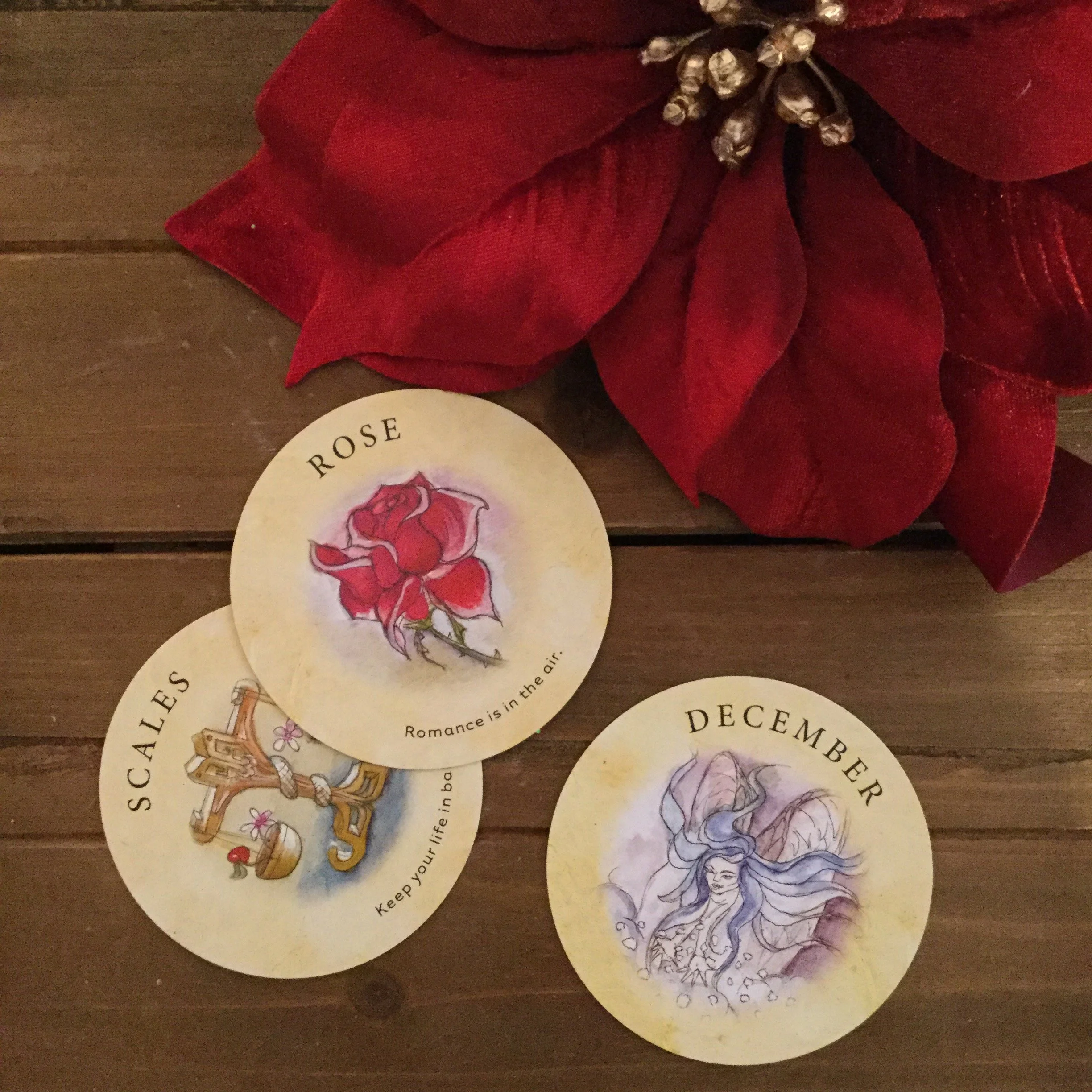
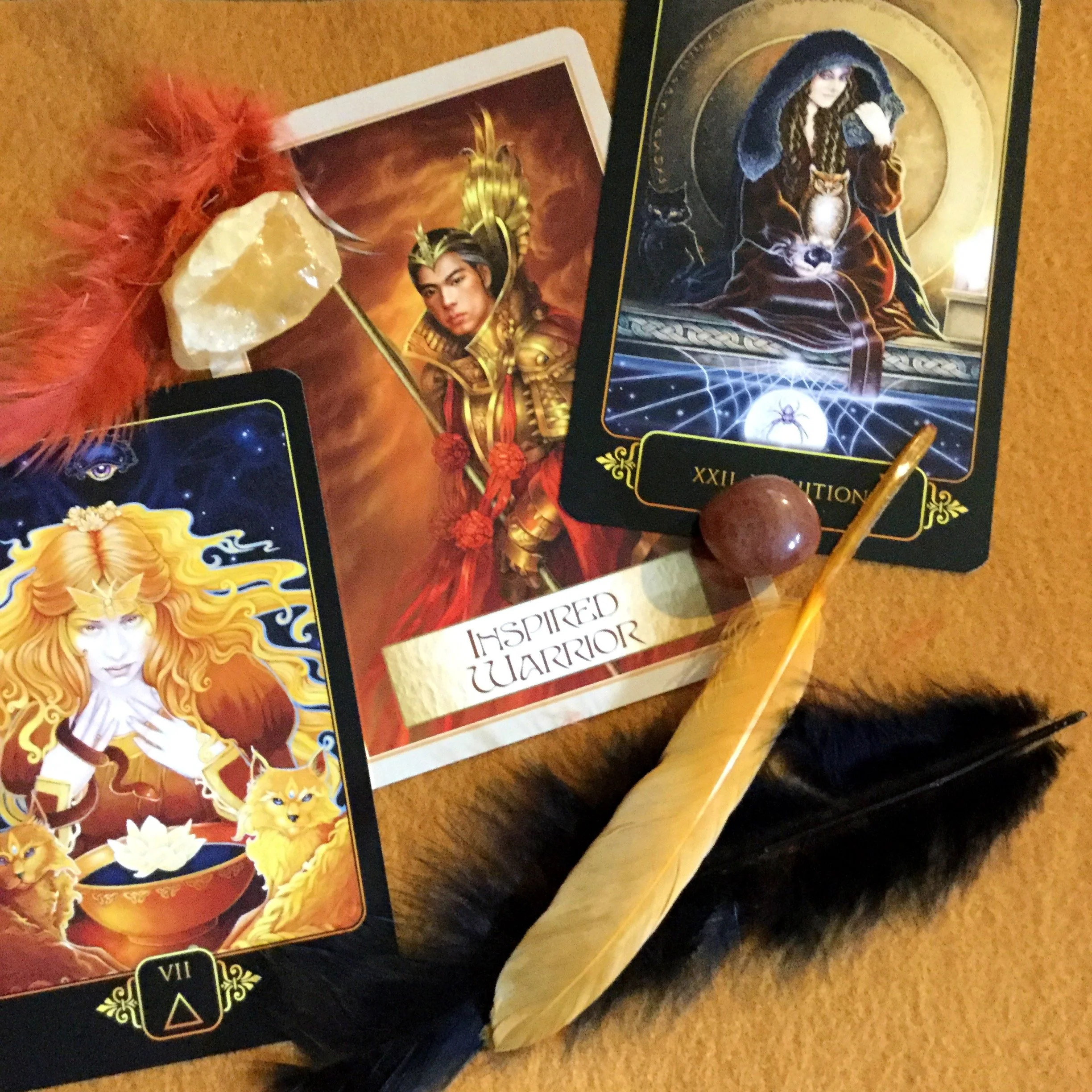
This multi-platform initiative served as an independent incubator for the pedagogical and leadership practices I now bring to post-secondary education. The experience refined my approach to adult learning, digital instruction, and creative entrepreneurship—areas that continue to shape my work in theatre, arts leadership, and educational policy.
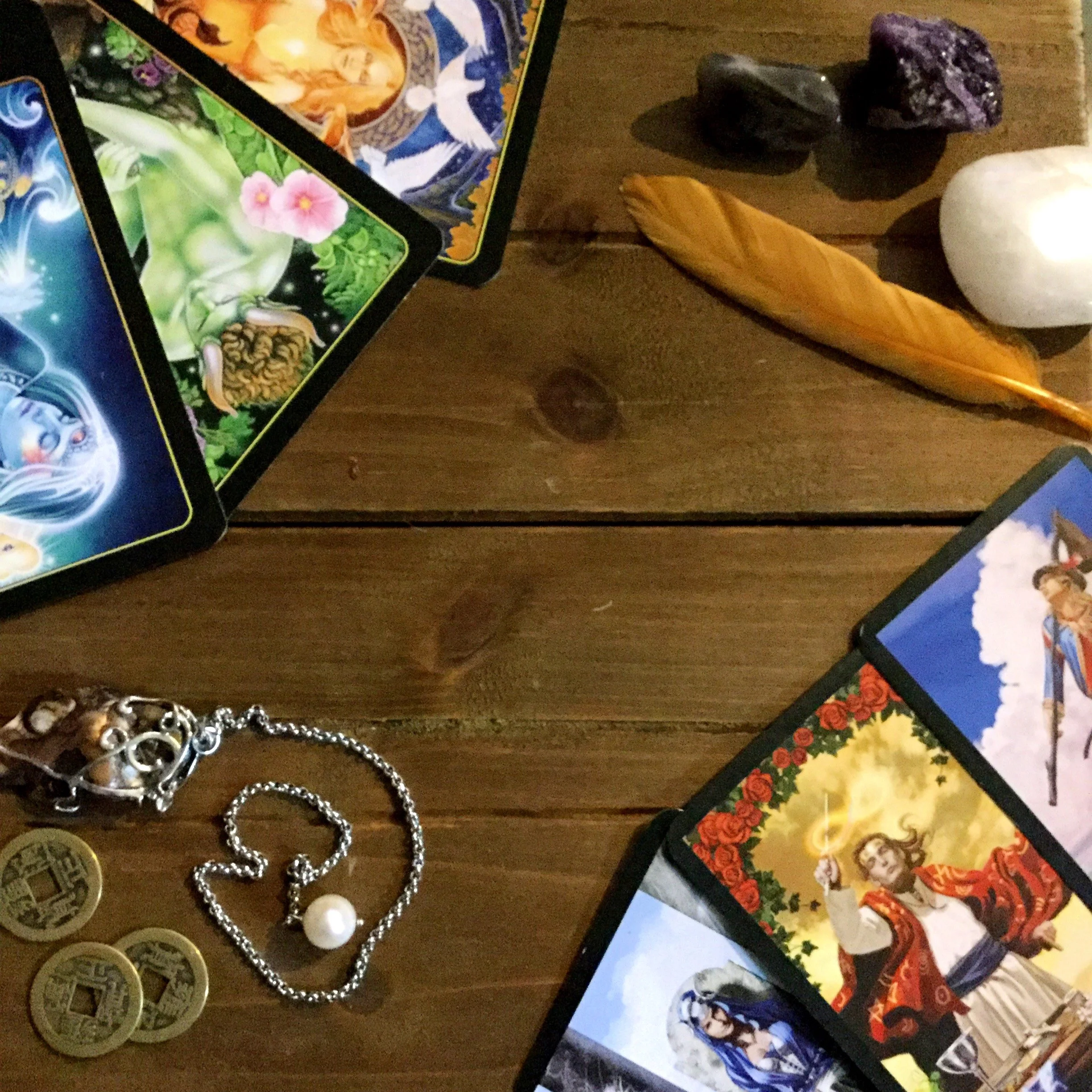
Timeline of Platform Development (2014–2022)
-
Foundational Phase: Community-Based Online Instruction
Focus: Introductory tarot education and intuitive development for adult learners.
Structure:
Blog-based teaching model (Weebly platform)
Live-stream workshops
Small group instruction
Early community forum building
Leadership Development:
First iteration of independent curriculum design
Development of lesson sequencing for adult learners
Early audience growth and brand positioning
Introduction to digital content strategy
-
Digital School Expansion & Structured Course Delivery
Focus: Formalized online courses and certification-style programs.
Structure:
Dedicated school platform
Tiered course offerings
Structured learning pathways
Digital classroom UX design
Podcast launch (Crone Chat Podcast)
Expanded live teaching archive (YouTube livestreams)
Leadership Development:
Full-scale curriculum mapping
Enrollment system design
Learning outcome articulation
Community moderation and engagement strategy
Brand evolution based on student feedback
-
Entrepreneurial & Business Development Education
Focus: Supporting independent creatives in building sustainable metaphysical or intuitive businesses.
Structure:
Advanced business-focused curriculum
Thinkific course hosting
Monetization systems
Coaching-based programming
Archived course library
Leadership Development:
Business literacy curriculum development
Applied entrepreneurship education
Platform migration and brand pivot management
Systems-based course infrastructure
Digital product lifecycle management



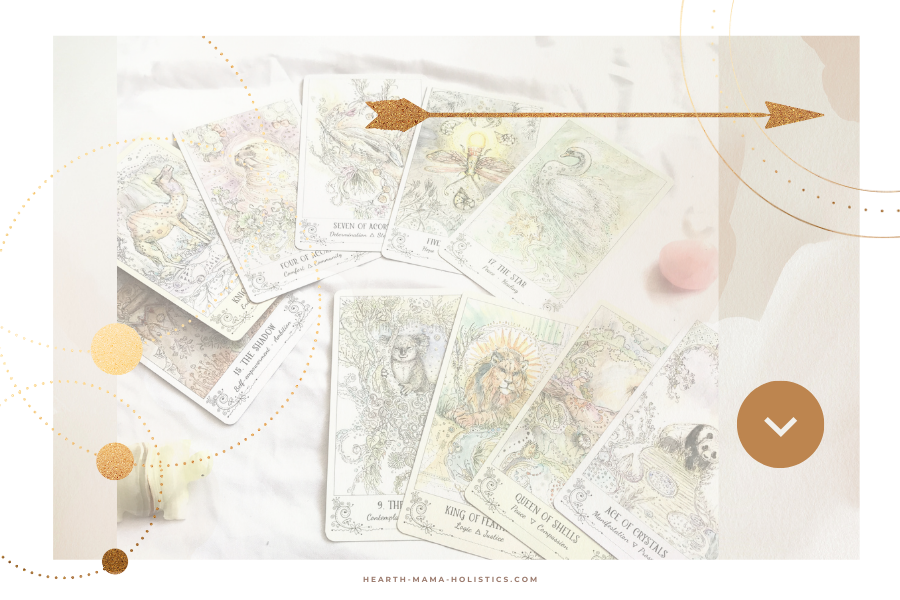
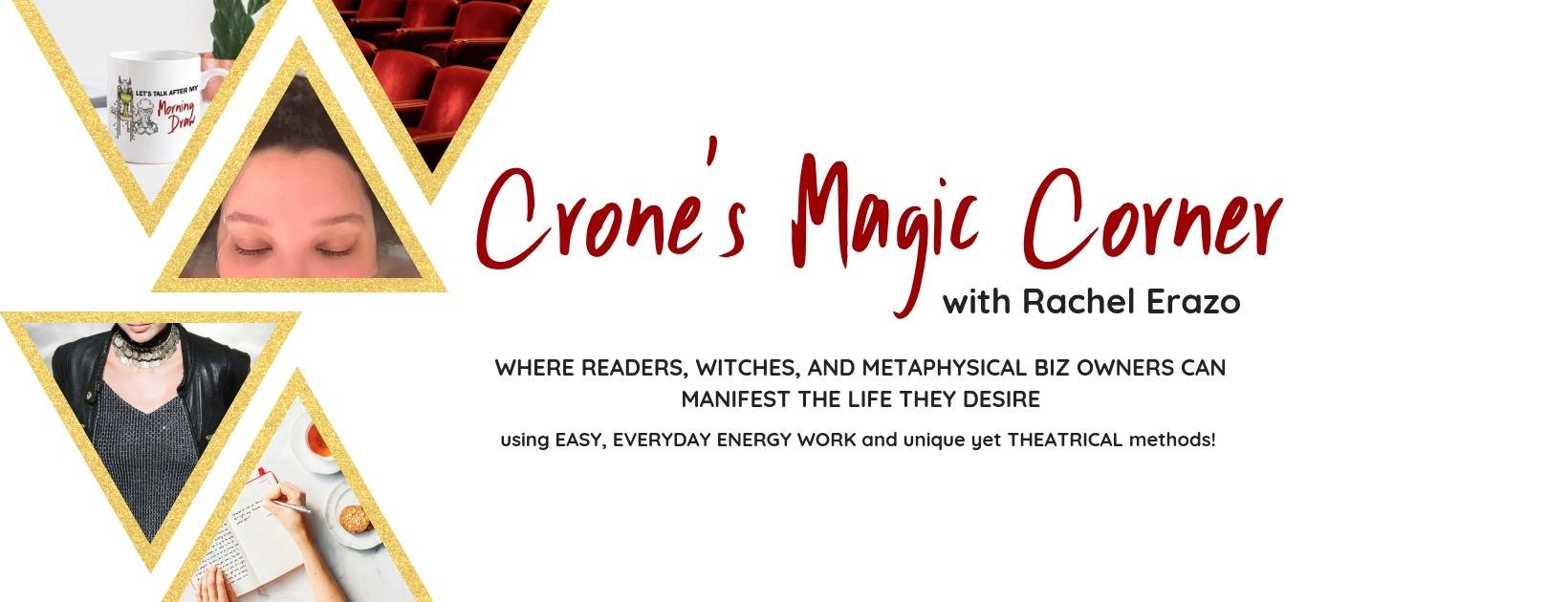
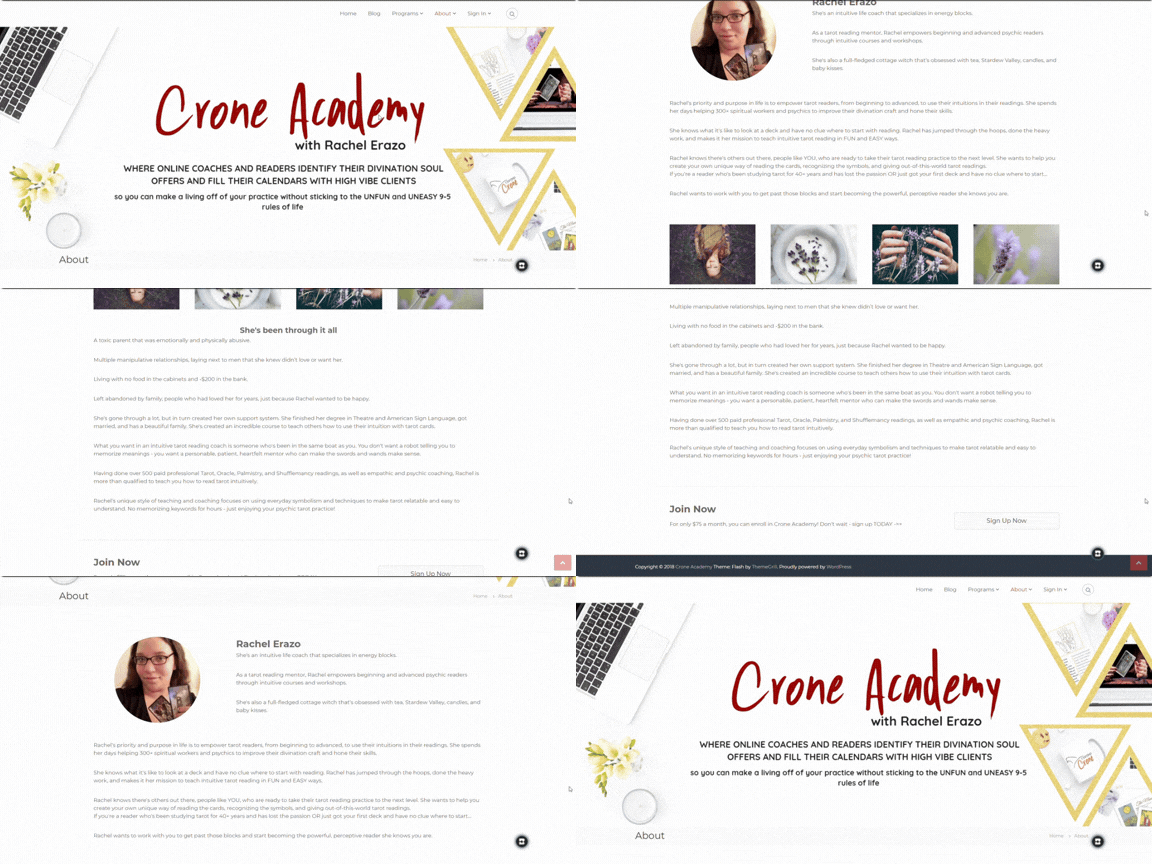


Official List of Business & Personal-Development Courses
| HMH/CA Courses, Workshops, and Educational Programs |
|||
|---|---|---|---|
| Course / Program Title |
Format & Length |
Primary Focus Areas |
Delivery Platform |
| Quick Start to Reading Tarot Intuitively |
5-Day Challenge |
Intuitive tarot foundations; confidence-building; practical spreads |
Online (Crone Academy) |
| The Fool’s Intuitive Journey |
3-Day Series |
Archetypal tarot study; intuitive development; personal narrative |
Online (Crone Academy) |
| Costume Your Cards Workshop |
Workshop |
Tarot symbolism; creative ritual design; embodied learning |
Online (Crone Academy) |
| Start Reading Tarot Intuitively |
Course (8 Modules) |
Tarot fundamentals; intuitive reading skills; ethical practice |
Online (Crone Academy) |
| Introduction to Shadow Work Workshop |
Workshop |
Shadow integration; self-reflection tools; trauma-aware practice |
Online (Crone Academy) |
| Crown Activate: Psychic and Magic Development for Diviners |
Course (24 Modules) |
Psychic development; energy awareness; divination ethics |
Online (Crone Academy) |
| Crone Academy Meditation Pack |
Guided Meditation Series |
Grounding; visualization; energetic hygiene |
Digital download |
| Create a Musical Tarot Deck |
5-Day Challenge |
Interdisciplinary tarot practice; music, creativity, and symbolism |
Online (Crone Academy) |
| How to Meet and Effectively Work With Your Spirit Guide |
Workshop / Masterclass |
Spirit guide communication; intuitive discernment; ritual practice |
Online (Crone Academy) |
| Clairs and Wares Workshop |
Workshop |
Clair senses; intuitive tools; practical application |
Online (Crone Academy) |
| Which Deity Is Calling You? |
Workshop |
Palmistry; deity identification; spiritual archetypes |
Online (Crone Academy) |
| Introduction to Chakras Workshop |
Workshop |
Chakra theory; energetic balance; embodied awareness |
Online (Crone Academy) |
| Master Your Magical Energy |
Live Group Program |
Energy management; boundaries; sustainable spiritual practice |
Live Online Group (Facebook) |
| Heal Your Chakras |
7-Week Live Group Program |
Deep chakra healing; long-form integration; coaching |
Live Online Group (Facebook) |
| 5 Ways to Stop Overcompensating and Be Confident in Your Readings |
Mini-Training |
Reader confidence; client interaction; intuitive trust |
Online (Crone Academy) |
| Create a Magical Tarot Reading Persona |
Workshop |
Branding for intuitive practitioners; persona development |
Online (Crone Academy) |
| 5 Ways to Read a Client’s Mind (Before They Sit Down!) |
Workshop |
Palmistry; cold-reading ethics; intuitive preparation |
Online (Crone Academy) |
| The RIGHT Neighborhood: A Beginner’s Guide to Ouija Boards |
Masterclass |
Spirit communication safety; historical context; ethics |
Online (Crone Academy) |
| Kick the Stage Fright |
3-Day Series |
Performance confidence; intuitive business coaching |
Online (Crone Academy) |
| HEALER, MAKER, TEACHER, or READER |
3-Day Series |
Practitioner identity; vocational alignment; self-assessment |
Online (Crone Academy) |
| Delegate, Automate, Celebrate |
5-Day Challenge |
Systems building; intuitive business sustainability |
Online (Crone Academy) |
| Reclaim Your Root |
Masterclass |
Root chakra healing; safety; embodiment and grounding |
Online (Crone Academy) |