Intimacy Direction & Choreography
Trained through Intimacy Directors and Coordinators and the University of Idaho’s Kelly Quinnett, Ray Erazo directs and choreographs intimate scenes in creative and unconventional ways. Utilizing her skills in Laban-based movement, Bloch’s Alba Emoting methodology, trauma-informed pedagogy, and vast life experience, Ray has been able to provide secure rehearsal environments and create successful productions that involve:
Physical and/or sexual violence
Implied or explicit racism
Body dysmorphia or fat-phobic content
Discrimination or hate against gender/sexual identities
Implied or explicit sexual content
Honestly, any moment a performer touches another, or is exposed in a stage or classroom, is when an intimacy choreographer, intimacy director, boundaries advocate, or consent-based practitioner is required.
What is Intimacy Direction and Choreography?
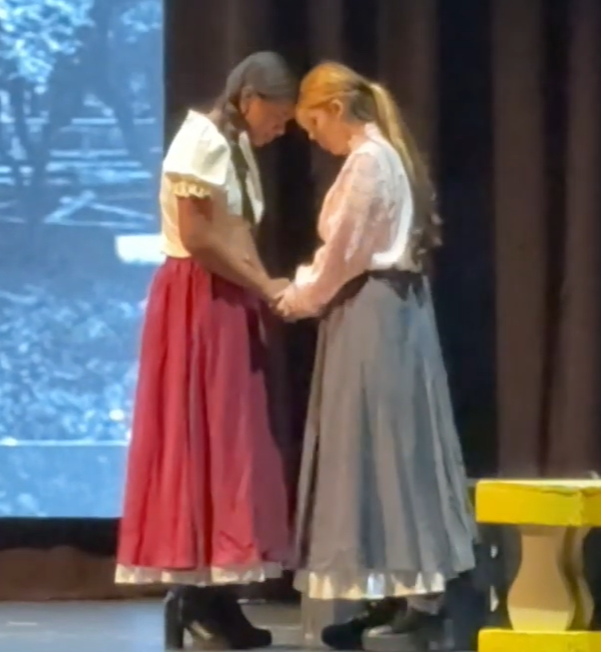
LIZZIE the Musical 2024
SELECTED INTIMACY DIRECTING CREDITS:
PUFFS | Panther Playhouse
LITTLE SHOP OF HORRORS | Stallion Theatre
LEND ME A TENOR | SLV Community Theatre
LOCKDOWN | Harrison High School
LIZZIE THE MUSICAL | Panther Playhouse
NO EXIT | Harrison High School
“Actors routinely say and do things in the course of their jobs that would be unacceptable in other contexts, from shouting obscenities to breaking into song. Yet anyone who has spent time in a rehearsal room knows that what appears to be ‘make believe’ for an audience may be all too real for a performer.”
Whether working with a K–12 theatre program, a university department, or a community theatre, Ray Erazo’s goal is to create spaces where artists can take creative risks within clear, collaborative, and well-communicated processes.
Consent, Collaboration, and Artist Development
Every production reflects my belief that outstanding theatre is built through clear communication, thoughtful preparation, and collaborative leadership.
Ray’s rehearsal process integrates principles from theatre pedagogy, directing, movement practice, and consent-based rehearsal methodologies to help artists develop confidence, creative agency, and professional collaboration skills. Rather than viewing consent as a practice reserved only for intimate scenes, she approaches it as a foundation for rehearsal culture itself—supporting healthy communication, clear expectations, and shared responsibility throughout the production process.
Depending on the needs of the production, Ray’s work may include:
Structured rehearsal agreements and communication practices
Reflective rehearsal techniques and role closure activities
Movement and embodiment practices informed by Laban, Alba Emoting, and related methodologies
Accessible rehearsal practices that support diverse learning needs
Community conversations and educational programming surrounding challenging material
Production-specific intimacy choreography and documentation