COMMUNITY LEADERSHIP & NON-PROFIT WORK
Throughout her career in education, Ray Erazo has created learning spaces - virtual and in-person - for all ages. Her mission is to provide theatrical education to as many students as she can, whether in the rehearsal room or classroom.
About
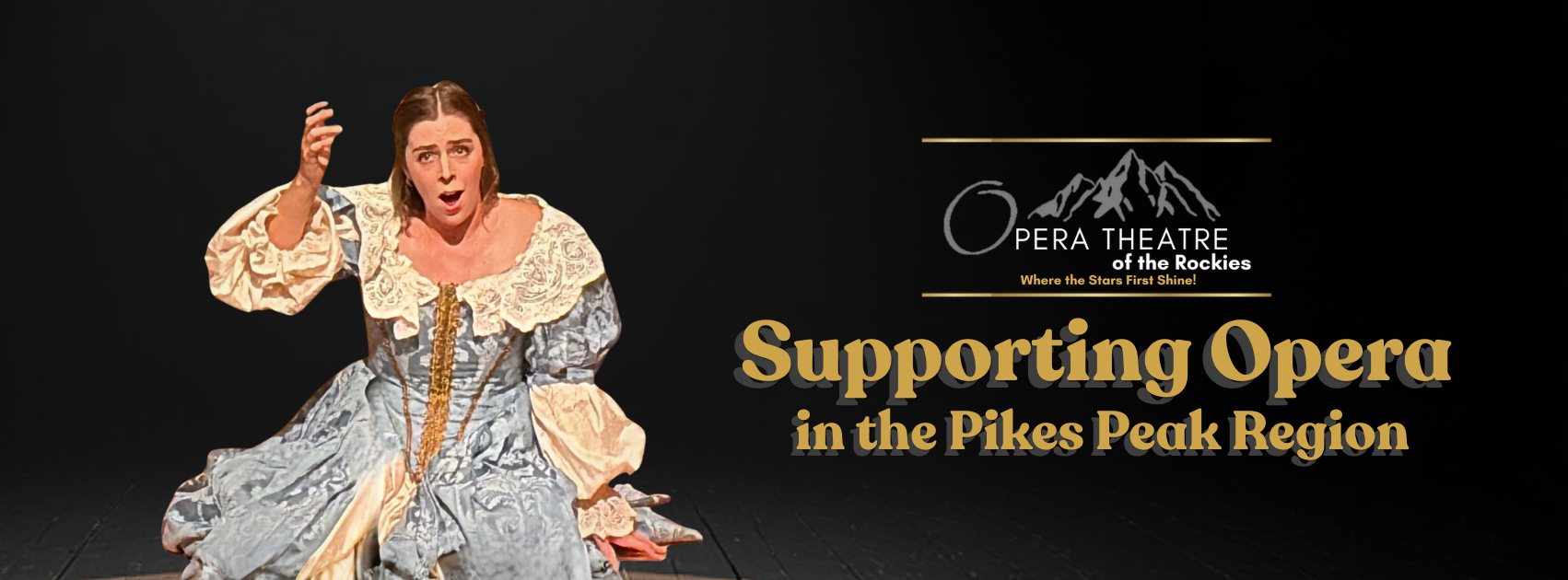
Opera Theatre of the Rockies, a 27-year-strong 501(c)(3) non-profit, champions the advancement of opera in Southern Colorado by showcasing local talent and offering professional performances. They are committed to nurturing the careers of Colorado performers and cultivating a rich, diverse audience through their dedication to education, training, and outreach.
By enhancing awareness, knowledge, and appreciation of opera among students, teachers, and the community, OTR provides invaluable opportunities for emerging artists and strives to include a wide range of ages, races, ethnicities, genders, sexual orientations, and socioeconomic backgrounds across the Pikes Peak Region.
Ray currently serves as the Board Secretary and Educational Outreach Liaison for Opera Theatre of the Rockies, and is heavily involved in the behind-the-scenes processes for their Opera 2030 Initiative and Opera Goes to School program.
Mission and Vision
Opera 2030 is a collaborative regional initiative designed to expand access to operatic performance and education, particularly within underserved and Title I communities. Developed in partnership with Opera Theatre of the Rockies, Artsong Colorado, and Chamber Orchestra of the Springs, the program reimagines opera as an accessible, community-centered art form.
At its core, Opera 2030 is grounded in the belief that opera—when presented through inclusive, educational, and contemporary frameworks—can serve as a powerful vehicle for storytelling, cultural connection, and artistic development.
The initiative emphasizes:
accessibility and equity in arts education
interdisciplinary collaboration between music and theatre
community-centered performance practices
The revitalization of classical forms for modern audiences
ABOUT
The Visual and Performing Arts Council (VPAC) was a student-led leadership body composed of representatives across performing and visual arts programs. Participation was application-based and contingent upon demonstrated commitment and achievement in theatrical disciplines (i.e., acting, management, directing, and design)
The council met weekly to coordinate programming, support productions, and guide student-led initiatives, including fundraising, marketing, and event planning.
Students regularly:
managed concessions and inventory
led fundraising initiatives
created marketing materials and campaigns
coordinated production logistics
This approach resulted in increased student ownership of productions, strong program sustainability, and meaningful real-world skill development
About
Panther Playhouse served as the primary theatre production program, producing full-length plays, one-act festivals, and student-devised works. The program emphasized student-led production models, in which students took active roles in directing, stage management, design, marketing, and technical execution. With just 8 students at its inception and 495 thespians by its conclusion, Panther Playhouse produced more than 25 individual shows during its three-year run.
Organization
Visual and Performing Arts Council
Organization
Opera Theatre of the Rockies
Program Development
Organization
Opera 2030
Year
2023 - 2025
Year
2025 - Present
Year
2022 - 2025
Organization
Panther Playhouse
Goals and Outcomes
The program was designed to:
Develop student leadership across all areas of theatre production
Provide hands-on experience in both performance and technical theatre
Foster ensemble collaboration and creative problem-solving
Integrate marketing, fundraising, and audience engagement into production processes
VPAC functioned as both a leadership incubator and an operational support system for arts programming. Students from Troupe #3314 (aka Harrison High School) were responsible for:
Planning and executing fundraising initiatives
Supporting production logistics and event coordination
Managing communication across arts disciplines
Developing leadership structures and peer accountability systems
This model emphasized distributed leadership, allowing students to take ownership of program success while developing practical skills in collaboration, organization, and decision-making.
Budget and Outcomes
Through coordinated fundraising and event management, VPAC supported:
Annual student travel to conferences (raising approximately $6,000 per year)
Production-related expenses and resource allocation
Inventory management for concessions and events
Over thirty individual members that went on to receive arts-based scholarships across the United States
Year
2025 - Present
Program Development & Collaborative Model
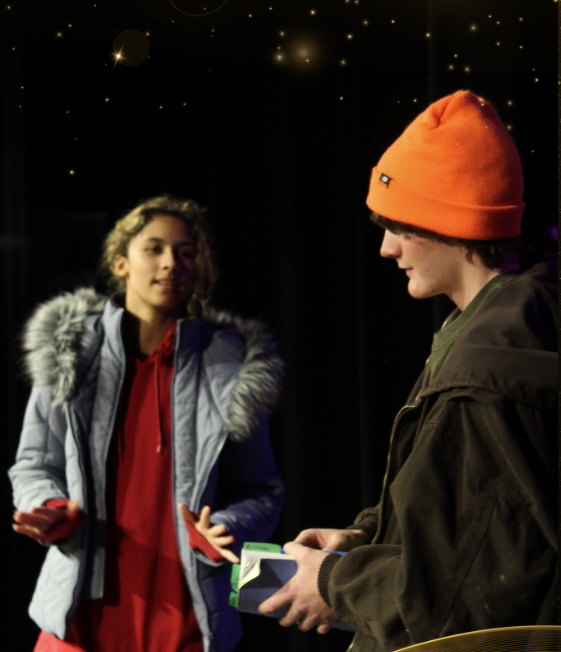
Opera 2030 is structured as both a performance initiative and an educational framework, bringing together professional artists, educators, and students in a shared creative process.
Through its multi-organization collaboration, the program integrates professional vocal performance and orchestral work, educational outreach and community engagement, interdisciplinary production models
Key components include:
Educational Outreach: Classroom visits, workshops, and school-based engagement
Collaborative Production: Partnerships between performers, educators, and students
Accessible Programming: Adapted performances designed for diverse audiences
Student Involvement: Opportunities for students to participate in production, performance, and event coordination
This structure allows Opera 2030 to function as both a professional arts initiative and a learning-centered program, bridging the gap between community engagement and high-level performance.